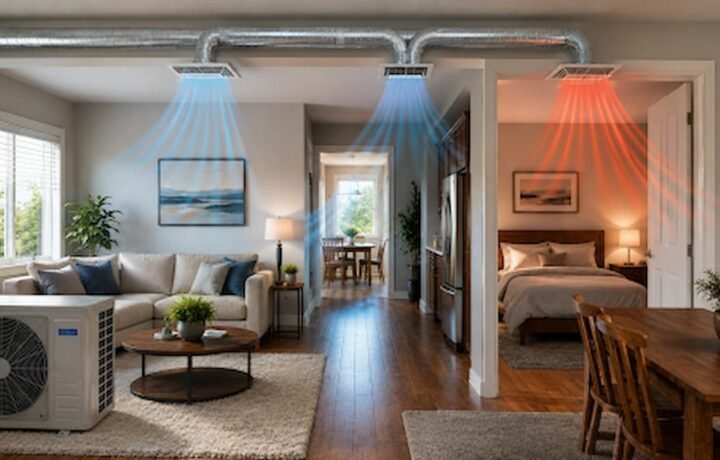
Your HVAC system works hard year-round to keep your home comfortable. Yet some of the costliest problems start with small, easy-to-overlook habits. Skipping a filter change, blocking a vent, or ignoring a strange noise can quietly raise energy bills, strain components, and cut years off the unit’s life.
The good news is that most of these issues are preventable once you know what to watch for. Here’s a clear look at the common maintenance mistakes that reduce efficiency and shorten equipment life—and what to do instead.
Neglecting Air Filters
A dirty filter is one of the fastest ways to choke airflow. When dust and debris build up, the system has to work harder to move air. That extra strain raises energy use, can cause the blower motor to overheat, and may even freeze the evaporator coil in cooling mode.
Change or clean filters on schedule—usually every 1–3 months depending on use, pets, and air quality. A clean filter protects indoor air quality and keeps the system running closer to its designed efficiency.
Blocking Supply and Return Vents
Furniture, rugs, curtains, or closed doors can restrict airflow through vents. Restricted airflow forces the system to run longer cycles, creates uneven temperatures, and can lead to frozen coils or overheating.
Keep vents clear and open. Make sure furniture sits a few inches away and that return-air pathways stay unobstructed. Even small improvements here help the system deliver conditioned air more evenly and with less effort.
Obstructing the Outdoor Unit
Leaves, grass clippings, mulch, or storage items piled against the outdoor condenser reduce its ability to reject heat. Dirty coils and blocked airflow raise head pressure, increase power draw, and accelerate wear on the compressor—the most expensive component in many systems.
Keep at least two feet of clearance around the unit. Gently rinse the coils with a garden hose when they’re visibly dirty (power off first), and clear debris after storms or landscaping work.
Ignoring Condensate Drainage Issues
Air conditioners and high-efficiency furnaces produce condensate water. A clogged drain line or pan can cause water to back up, leading to leaks, mold growth, or safety switches that shut the system down. Over time, moisture damage can affect nearby components and indoor air quality.
Check the drain line periodically for standing water or algae. Pour a cup of distilled vinegar or a manufacturer-approved cleaner through the line a few times a year if needed. If you notice water around the indoor unit, address it promptly rather than waiting for a full blockage.
Misusing the Thermostat
Setting the thermostat to extreme temperatures or constantly adjusting it does not cool or heat the house faster—it just makes the system run longer and less efficiently. Frequent large setbacks can also increase wear on components during recovery.
Use a programmable or smart thermostat to maintain steady, reasonable setpoints. Small, consistent adjustments and features like setback schedules or remote sensors usually deliver better comfort and lower energy use than aggressive manual changes.
Delaying Professional Service
Many homeowners wait until the system fails before calling a technician. By then, small issues—worn belts, low refrigerant, dirty coils, or failing capacitors—have often grown into larger, more expensive problems. Annual or biannual professional maintenance catches these early, restores efficiency, and helps preserve warranty coverage.
A good tune-up typically includes cleaning, safety checks, performance measurements, and lubrication where appropriate. Skipping it year after year is one of the most reliable ways to shorten equipment life.
Attempting Repairs Without Proper Training
Resetting a tripped breaker repeatedly or ignoring unusual noises, burning smells, or weak airflow can hide serious problems. DIY attempts on electrical components, refrigerant circuits, or gas connections create real safety risks and can void warranties or cause further damage.
Homeowners can safely handle filter changes, keeping vents clear, outdoor unit cleanup, and basic visual checks. Leave refrigerant work, electrical diagnostics, combustion analysis, and major component replacement to licensed technicians.
Real-World Patterns That Signal Trouble
- Repeatedly resetting the breaker often points to an overloaded motor, shorted component, or airflow problem rather than a one-time glitch.
- Unusual noises (grinding, squealing, rattling) usually mean bearings, belts, or loose parts need attention before they fail completely.
- Ice on the indoor coil or outdoor unit typically indicates restricted airflow or low refrigerant—both of which reduce efficiency and risk compressor damage if left unaddressed.
Addressing these signs early prevents cascading failures.
Useful Homeowner Tasks vs. Risky Ones
Safe and helpful: regular filter changes, keeping vents and the outdoor unit clear, monitoring thermostat settings, and noting any changes in performance or unusual sounds. Leave to professionals: opening electrical panels, handling refrigerant, working on gas valves or burners, and diagnosing persistent performance problems. When in doubt, call a qualified technician. It protects both the equipment and your household.
Small, consistent habits make a measurable difference. Clean filters, clear airflow paths, timely professional care, and resistance to quick DIY fixes keep the system efficient and help it last closer to its expected lifespan. The result is steadier comfort, lower operating costs, and fewer emergency repairs.
FAQ
How often should I change my HVAC filter?
Most homes need a new or cleaned filter every 1–3 months. Check monthly if you have pets, allergies, or high dust levels.
Can a dirty outdoor unit really raise my energy bills?
Yes. Restricted airflow and dirty coils force the compressor to work harder, increasing power use and wear.
Is it okay to close vents in unused rooms?
Usually not. Closing too many vents can create pressure imbalances and reduce overall system efficiency. Consult a professional before making large changes.
What should I do if my system keeps tripping the breaker?
Turn it off and call a technician. Repeated resets can mask overheating or electrical faults that need proper diagnosis.
Conclusion
Most HVAC efficiency losses and shortened equipment life stem from simple, preventable oversights rather than sudden failures. Keeping filters clean, airflow paths open, drainage clear, and professional service on schedule protects your investment. Treat unusual noises, repeated breaker trips, or declining performance as early warnings instead of temporary annoyances. A little consistent attention goes a long way toward reliable comfort and lower long-term costs.